Naples Airbnb Hosts: Bed Bug Checks to Run Between Guests
November 21, 2026
Turnover day in a Naples rental is a race: cleaners in at eleven, new guests at four, and a dozen small jobs in between. The bed bug check is the one job that never makes the list, and it is the one that can cost you the next five bookings. Ten minutes between guests is all it takes to catch a hitchhiker before it becomes a review.
Why Airbnb Turnovers Are a Bed Bug Highway
A Naples Airbnb turns over the way a hotel does, only without the hotel's housekeeping department. Guests arrive from airports all over the country, stay three nights, and leave, and the next guest arrives before the room has cooled. Every suitcase is a possible carrier, and every stay is a chance for a bug to walk off one bag and into a headboard, then onto the next guest's bag a day later. The rentals near Vanderbilt Beach, Old Naples, and the bayfront see this traffic all year, and the winter season, when snowbirds and holiday visitors stack up, makes it heavier still.
The difference from a hotel is who is watching. A hotel has a trained housekeeper in every room, every day, and a manager who hears about a problem fast. A rental has a cleaner on a tight schedule, a host who may live out of state, and a lockbox instead of a front desk. A bug can sit in a headboard for two or three turnovers before anyone looks closely, and by then it has laid eggs in the seam. Our guide on how bed bugs get into your home covers the same habit on the house side: they travel in things, not on people, and a guest's suitcase is the perfect vehicle.
The Ten Minute Check Between Guests
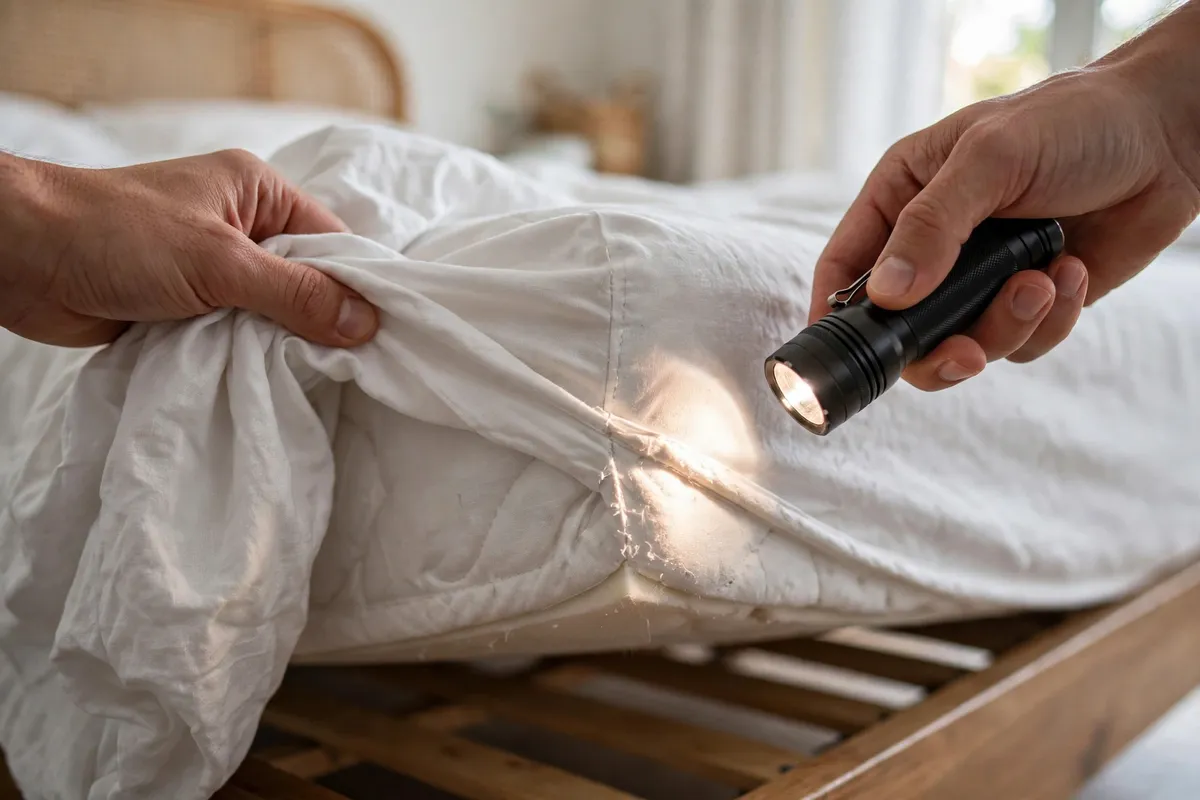
Build the check into the cleaning routine, not on top of it. The cleaner strips the bed first, and while the sheets are off, the mattress and headboard get a flashlight pass. That is the whole secret: the check happens when the bed is already bare, so it costs minutes, not a separate visit. Write it on the turnover checklist, right after "strip beds" and before "fresh linens on", and it will happen every time, even on a rushed turnover.
Work in one order, so nothing gets skipped: mattress seams first, then the box spring, then the headboard, then the nightstand and the luggage rack. Take a photo of each bed once it is checked, and keep a simple log: date, unit, and who checked it. The log is your proof if a guest ever reports a problem. Hotels that take this seriously use K9 bed bug detection for Naples hotels for rooms a human eye would miss, and the same idea scales down: a pro check between seasons catches what a turnover check cannot.
What you are looking for is small but visible. Live bugs are the size of an apple seed, flat, and rust colored. Shed skins look like pale empty shells in the same shape. Dark spots along a seam are droppings, and they smear when touched with a damp cloth, which separates them from ordinary dirt. Our guide to the signs of bed bugs shows what each one looks like, and our post on what bed bug bites look like is worth sharing with a cleaner, because bites on a guest are often the first report a host ever hears.
Bedding, Headboards, and the Luggage Rack
The headboard is the first stop because it is the closest hiding spot to a sleeping person. Pull it gently away from the wall if it moves, and check the back, the joints, and the screws where the frame meets the wall. Wooden headboards with carving and slats hide bugs in every groove, and upholstered headboards hide them in the button tufts and the seam where the fabric meets the frame. If the headboard is bolted to the wall, check the seam along the wall and the gap behind it with the flashlight.
Then the mattress. Pull the bedding back, lift the mattress corner, and run the flashlight along the piping and the seams, especially at the corners and along the side facing the headboard. Check the box spring the same way, including the fabric underside and the wooden frame corners. The nightstand comes next: drawer joints, the underside, and the seam where the top meets the sides. The luggage rack deserves a look too, along the straps and the joints, since it is where guest bags live. Mattress encasements seal the seams where bugs hide, which makes the next check faster for everyone, and they protect the mattress itself from stains and spills at the same time.
Linens, Luggage, and the Laundry Routine
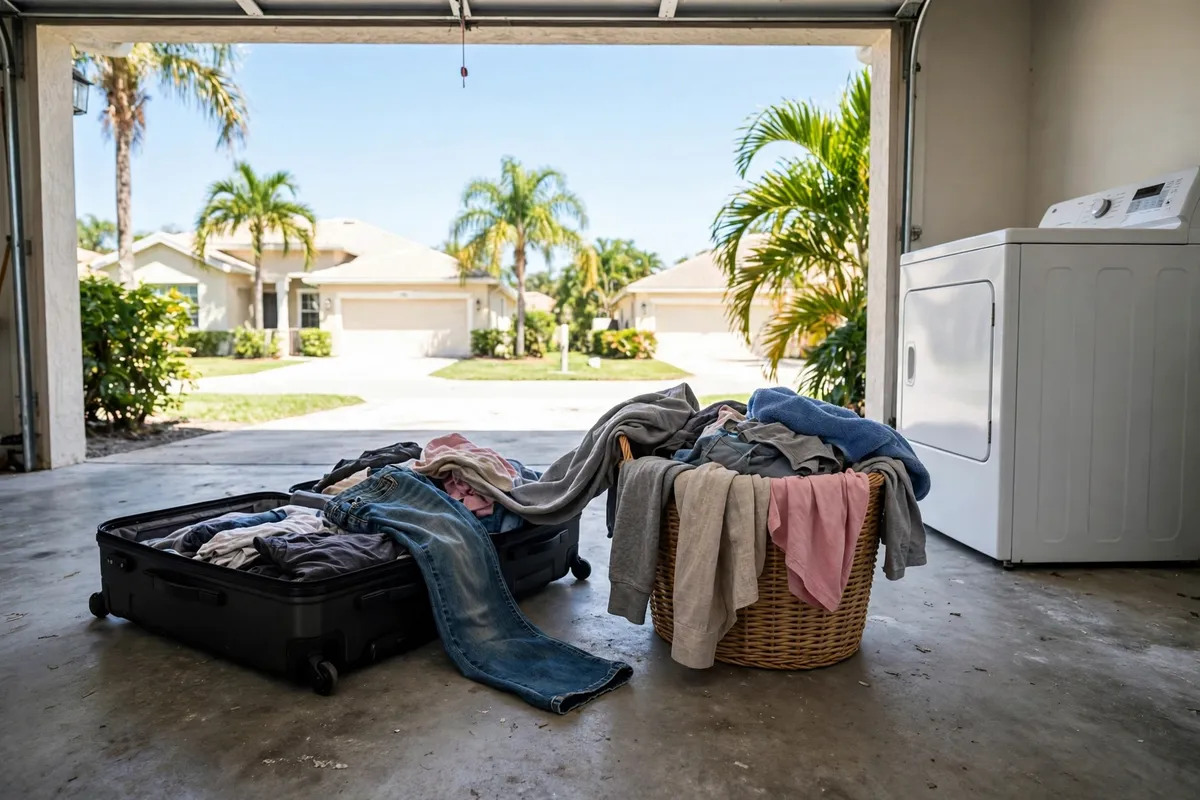
Wash every linen between guests, used or not. Sheets, pillowcases, throws, and the decorative runner all go through a hot wash and a hot dryer cycle, which kills bugs at every stage. A folded throw on the bed can hide a bug just as well as a slept-in sheet, and the laundry is the cheapest kill step you have. Bag the clean linens sealed until they go on the bed, so nothing can hitch a ride from the shelf.
Vacuum while the bed is bare: the mattress surface, the floor edges, the baseboards behind the bed, and the closet floor where guest bags sat. Empty the vacuum into a sealed bag outside, not into the kitchen trash. The same routine applies to the sofa bed and any sleeper chair, which guests use more than hosts expect, and which cleaners often skip because the bedding looks untouched. Our Marco Island vacation rental bed bug guide follows the same check for rental stays further up the coast, and the bed bug prevention tips for Naples travelers cover the packing habits that make the whole routine easier.
What to Tell Guests Without Scaring Them
Guests do not need a lecture on bed bugs. The right move is a short line in the house manual, framed as care, not warning: "We inspect and hot-wash all bedding between every guest, and the mattress is encased for your comfort." That tells a careful guest everything they need to know, and it tells a guest who finds a bug later that you take it seriously.
If a guest reports a bite or a bug, answer fast and stay calm. Thank them, ask for a photo and where they saw it, and tell them what you are doing about it. Do not argue about whether the bug came from your rental, and do not offer a refund before you know the facts. A guest who feels heard rarely leaves a harsh review, and a guest who feels dismissed almost always does. Our account of finding bed bugs in a Bonita Springs hotel shows how one report, handled the right way, stopped a hotel find from becoming a home problem, and the same applies to a rental.
When to Call a Pro Before the Next Booking
Call a pro the moment a check turns up a live bug, skins, or dark spots that smear, and block the calendar for that room until the inspection is done. Do not spray the room, do not move bedding to another bedroom, and do not let the next guest in while you wait. A single bug can be a hitchhiker that never laid eggs, or the first sign of a settled population, and only an inspection tells you which one it is. The cost of a blocked night is small next to the cost of a guest who finds the problem for you.
A pro check is also worth scheduling between seasons, even when every turnover check has come back clean. A bed bug inspection covers the rooms a turnover check cannot reach, behind fixed headboards, inside wall voids, and under carpet edges. If the inspection confirms a problem, residential bed bug treatment covers the home side, and heat treatment handles rooms where bugs have settled in. For hosts with several units, a bed bug prevention plan puts the checks on a schedule, so the routine survives a busy season, a cleaner change, and a host who is out of town. The check you run between guests is the infestation you never have to explain to the next one.
Host Questions, Answered
Every turnover, without exception. A full check takes about ten minutes once you know the routine, and it is the only way to catch a bug the last guest left before the next guest finds it. A monthly deep check of every seam and joint is worth adding on top of the turnover routine.
Yes, and it happens quietly. A guest does not have to be dirty or careless: a bug can ride in on a suitcase from a hotel, a cruise ship, or another rental, then walk off into the headboard on the first night. That is why the check matters even when the last guest was spotless.
Look for live bugs the size of an apple seed, pale shed skins, and tiny dark spots along mattress seams, headboard joints, and nightstand corners. The dark spots smear when touched with a damp cloth. Blood spots on sheets and a musty, sweet odor are later signs of a heavier problem.
Yes. Wash every sheet, pillowcase, and throw, used or not, on a hot wash and a hot dryer cycle. A folded throw on the bed can hide a bug just as well as a slept-in sheet, and hot laundry is the cheapest kill step you have. Bag clean linens sealed until the next guest arrives.
Stay calm, thank them, and take it seriously. Ask for a photo and where they saw it, block the calendar for that room, and get a professional inspection before the next booking. Do not spray the room yourself, and do not move the bedding to another room. A fast, honest response protects your reviews and your next guest.
Yes. An encasement seals the mattress seams where bed bugs hide, which makes the turnover check faster and the mattress easier to clear. It does not stop bugs from hiding in the headboard or nightstand, so it is one layer of protection, not a complete answer on its own.
Hosting in Naples? Get Your Rental Checked
Between guests and worried about hitchhikers? Get your rental checked before the next booking. A discreet inspection answers the question fast.
Bed bugs do not care how nice your Naples rental is. They care about seams, warmth, and a still sleeper, and every turnover gives them a fresh suitcase to ride in on. Check the bed between guests, wash the linens hot, and keep a log with photos. The bug you catch at the headboard is the review you never have to answer.
Found Signs Between Guests? Get It Checked
Call, email, or stop by: a real specialist answers, not a call center.