Bed Bugs After a Naples Move: Check Boxes Before You Unpack
November 7, 2026
The truck is unloaded, the boxes are stacked in the living room, and the mattress is already on the frame. That is exactly when bed bugs move in, if they rode along. A half hour of checking now beats a full treatment later.
Why Moving Day Is Prime Time for Bed Bugs
A move is one of the easiest ways bed bugs get into a clean home, and it happens because moving day is chaos. Boxes sit open for hours. Furniture leans against other furniture in a truck. The mattress spends a night on the floor of a storage unit or a garage. Bed bugs do not need an invitation. They need a seam, a fold, or a dark corner, and a move gives them hundreds.
It does not take an infested house to start the problem. A single used dresser, a mattress that spent a week in storage, or a box that sat in a friend's garage can carry enough bugs to start a new infestation. And because the bugs hide so well, you will not see them on moving day. You will see them three weeks later, when the bites start and the new home stops feeling new. A half hour of checking before you unpack is the simplest protection there is.
The Truck and the Storage Unit
Start with the truck, because it is the first shared space your belongings touch. A rental truck has carried hundreds of loads before yours, and nobody inspects it between renters. Look at the corners and seams of the cargo area before you load. If you see dark spots, shed skins, or live bugs, ask for a different truck. It takes five minutes and it is worth the awkward conversation.
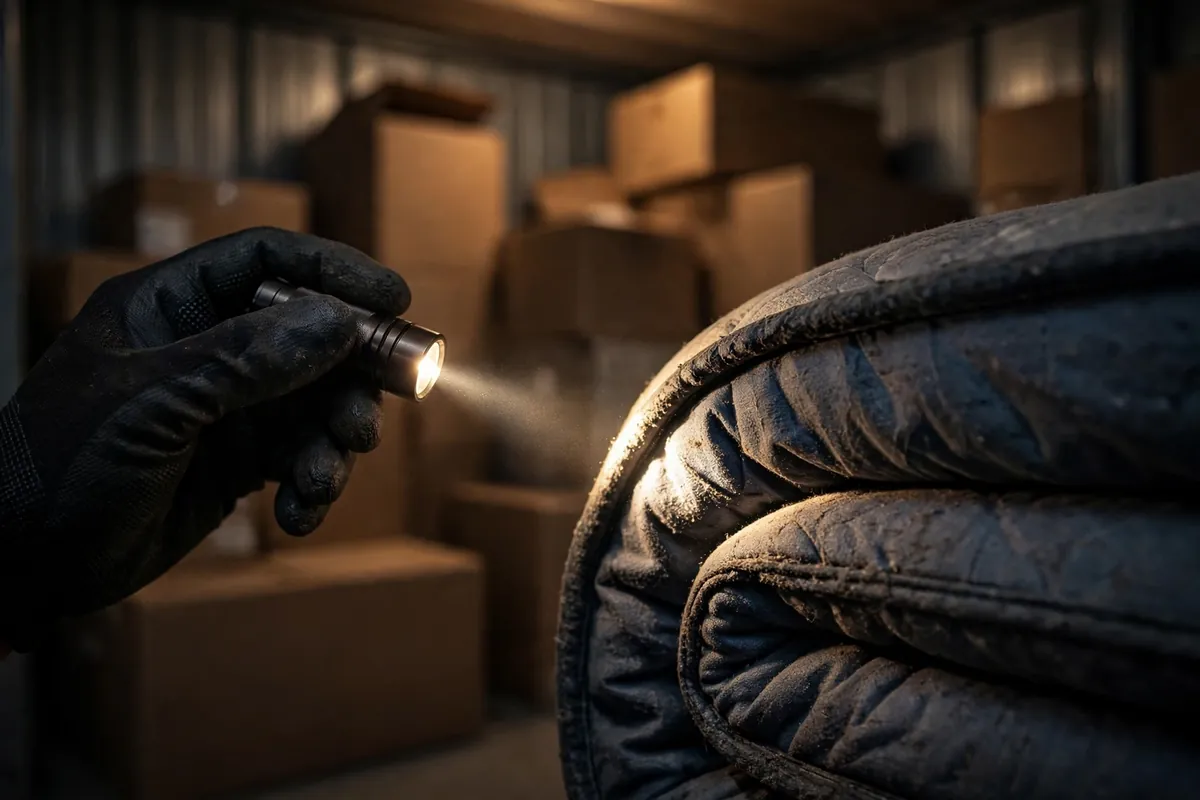
Storage units are the bigger risk. A unit that held someone else's furniture last month can hold their bed bugs this month, and the bugs survive for months without feeding in a warm Naples unit. If your things sat in storage, assume the unit had bugs and check accordingly. Our guide on bed bugs in Naples storage units explains what to look for, and the same checks apply to a moving truck. Anything that comes out of storage gets inspected before it goes into the house, no exceptions.
Checking Boxes Before They Come Inside
The rule is simple: no box comes into the house unchecked. Set up a checking station in the garage or on the driveway, with a flashlight and a white sheet. Open each box on the sheet, in good light, and look at the seams and corners. Bed bugs hide in the folds of cardboard, in the tape lines, and in the corners where flaps meet. Look for live bugs, shed skins, and tiny dark spots that smear when you touch them with a damp cloth. Those spots are fecal marks, and they are the most common sign you will find.
Clothing and soft items go straight into sealed bags, then into the washer on hot, then the dryer on high heat. Heat kills every life stage, and it is the fastest way to clear a load of soft goods. Hard items get wiped down. Books get fanned and shaken out over the sheet. If a box shows signs, seal it with tape, label it, and set it aside. Do not bring it inside to deal with later. Later is when the bugs leave the box and find the bedroom. A professional inspection can confirm what you found in a box before the rest of the unpacking continues.
Furniture and Mattresses First
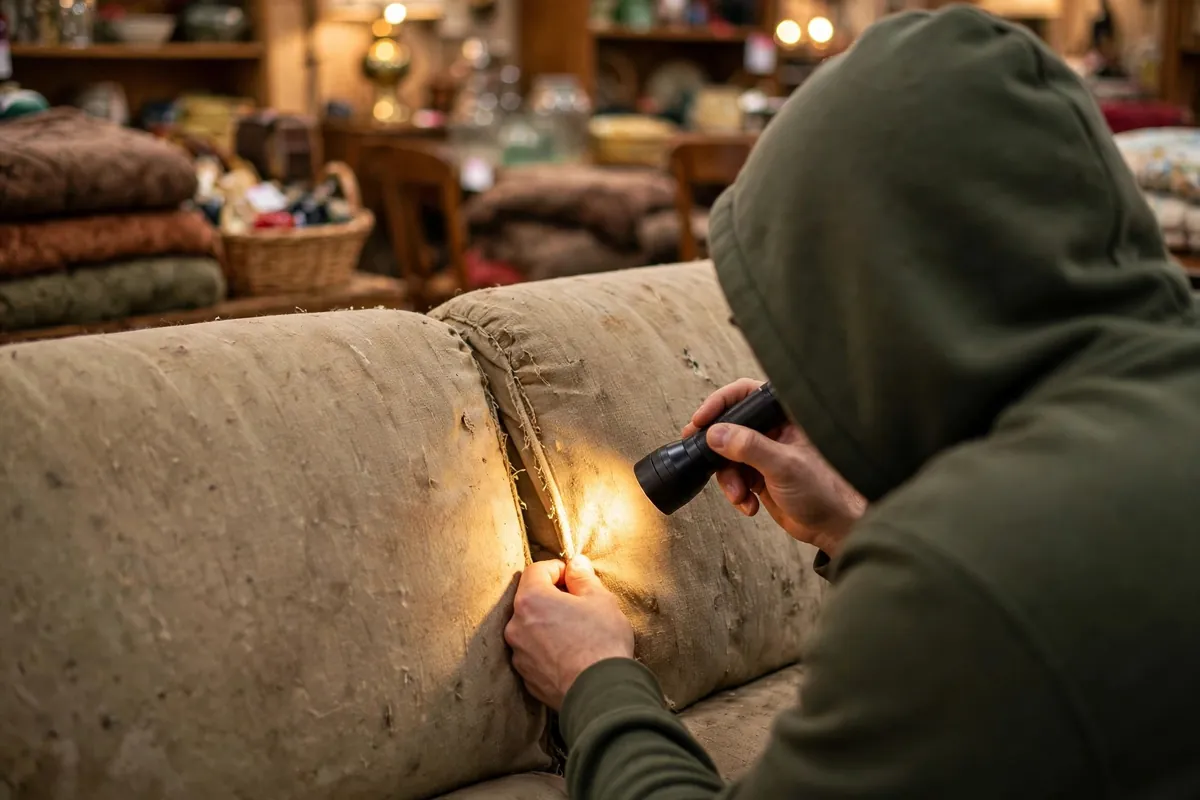
Furniture and mattresses deserve the most attention, because they are where bed bugs live. A mattress gets a seam-by-seam check with a flashlight: run your fingers along the piping, look under the labels, and check the tufts and buttons. A box spring gets the same treatment, including the underside, which is a favorite hiding place. Upholstered furniture gets checked along the seams, under the cushions, and in the joints where the legs meet the frame.
This is the same inspection we use for secondhand furniture, and the method is identical, because the risk is identical. Our guide to inspecting secondhand furniture walks through the steps, and it works just as well for your own furniture after a move. If you find signs on a mattress, do not put it on the bed frame. Keep it in the garage, get a mattress encasement on it if you plan to keep it, and get it inspected before it spends a night in the bedroom.
The First Two Weeks in the New Place
Even a careful check can miss a bug or two, so the first two weeks in the new home are a watch period. Put interceptor traps under the bed legs. They catch bugs walking to and from the bed, and an empty trap after two weeks is a good sign. Keep the bed away from the wall, keep bedding off the floor, and check the mattress seams once a week. If you wake up with bites in a line or a cluster, check the bed the same morning, not next weekend.
If you find anything, do not panic and do not start moving furniture around the house. Moving infested items spreads the problem to clean rooms. Isolate what you found, keep it in one place, and call for an inspection. A K9 detection visit can check the new home quickly and tell you whether you have one box worth of trouble or a real infestation. Catching it in the first two weeks is the difference between a small, contained job and a whole-house treatment, and the only thing it takes is a little patience during the unpacking.
A move is stressful enough without a pest problem hiding in the boxes. Check first, unpack second, and the new home stays new.
Moving Day Bed Bug Questions, Answered
Yes. They hide in the folds and corners of cardboard, in tape lines, and in the flaps. A box that sat in a garage, a storage unit, or a truck can carry bugs, eggs, and shed skins into a clean home. That is why every box gets checked outside before it comes in.
Yes, if you can. A garage or driveway checking station keeps any bugs that come out of a box away from the bedrooms. Open boxes on a white sheet in good light, check the seams, and only carry clean items inside. It adds an hour to moving day and saves weeks of treatment later.
Use a flashlight and check every seam, the piping, the labels, and the tufts. Run your fingers along the seams and look for live bugs, shed skins, and dark spots that smear. Check the underside of the box spring too. If you find signs, keep the mattress in the garage and get it inspected before it goes on the frame.
Seal the box with tape, label it, and set it aside outside the house. Do not bring it in to deal with later. Wash soft items from it on hot and dry on high heat, wipe hard items down, and get an inspection before you unpack the rest of the load.
A truck can carry them from one load to the next, because the cargo area is shared and rarely inspected between jobs. Check the truck corners and seams before loading, and ask for a different truck if you see dark spots or shed skins. It is a reasonable request, and a good company will not argue.
Give it two weeks of watching. Keep interceptor traps under the bed legs, check the mattress seams weekly, and watch for bites or fresh signs. Two clean weeks with empty traps is a good sign the move came in clean.
Moving Into a Naples Home? Check First, Unpack Second
Found a suspicious spot in a box or on a mattress? Call before the rest comes inside and we will check what you found and what comes next.
Bed bugs are patient, and they are good at waiting. They will wait in a box, in a seam, in a storage unit, for months if they have to. The only thing that beats them is a check that happens before the unpacking, not after the bites start. Give the boxes half an hour in the garage, and the new home starts clean.
Suspect Bed Bugs in Your Storage Unit? Get Confirmation
Call, email, or stop by: a real specialist answers, not a call center.