Bed Bugs in Naples Schools: How They Spread and What Parents Can Do
November 15, 2026
Nobody expects bed bugs to come home from school. There is no mattress in a classroom, no headboard on a bus seat. But bed bugs do not need a bed. They need a seam, a bag, and a ride, and a school full of backpacks gives them all three by the first bell.
How Bed Bugs Reach a School With No Beds
Start with the part most parents get wrong. Bed bugs are not a bedroom pest. They are a hiding pest. They feed mostly at night, but they will feed in the daytime when a person sits still, and a classroom holds children still for hours. A single bug tucked into a backpack pocket can ride the bus in, crawl off onto a cubby shelf, and settle into a seam before lunch. No bed required, and no dirt required either. Bed bugs show up in clean schools and clean homes alike, because they follow belongings, not hygiene.
Naples schools see this route more than most. Families arrive from up north through the winter, students travel for tournaments and holidays, and after-school programs mix children from different neighborhoods every afternoon. Every trip is a chance to pick up a bug, and every school day is a chance to pass one along. Our guide on how bed bugs get into your home covers the house side of the same habit: they travel in things, not on people, and a backpack is the perfect vehicle.
Backpacks, Coats, and Cubbies Do the Carrying
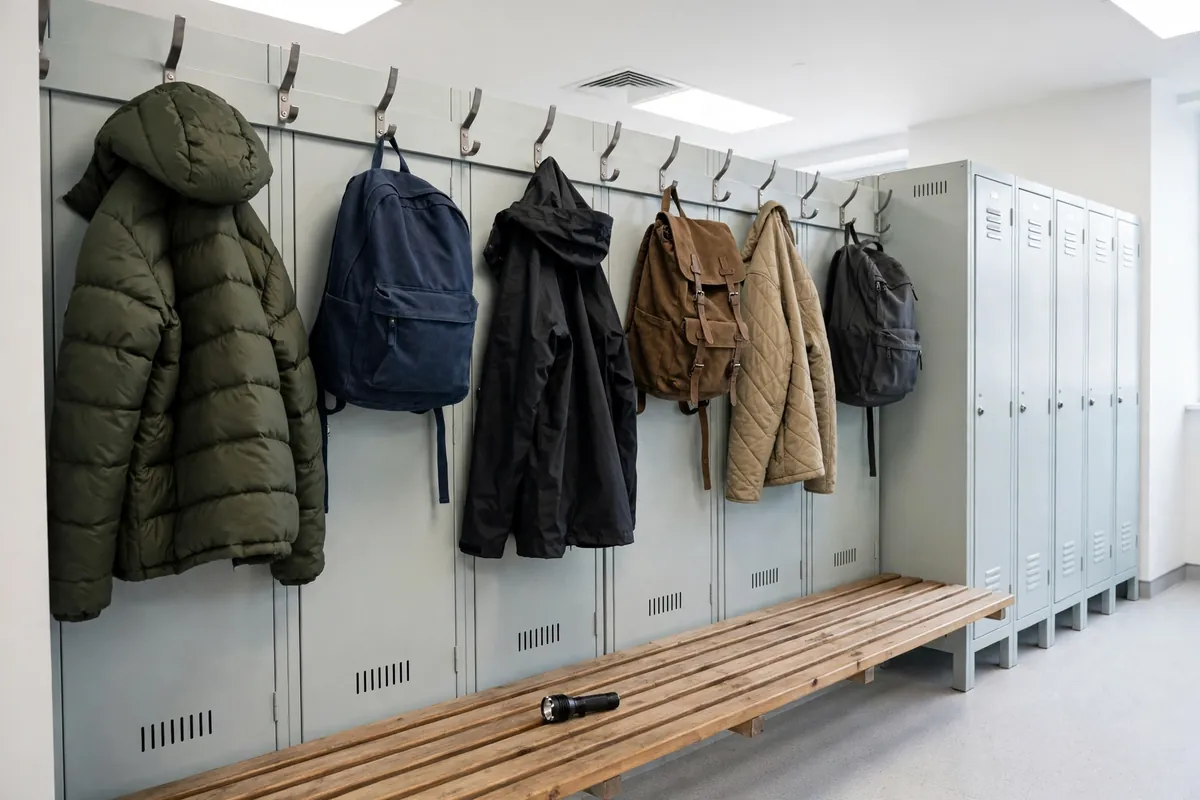
Backpacks are the main vehicle. A pack hangs against another pack on a shared hook, a bug walks from one lining to the other, and by dismissal it is riding home in a different bag. Cubbies do the same work at floor level: lunch boxes, sweaters, and gym clothes pressed together for hours, with seams and pockets touching. The lost-and-found pile is the worst version of all, a heap of unclaimed coats and bags that nobody checks and everybody touches.
Coats run a close second, especially on the cool mornings from December to February when every child in Naples brings a jacket. A coat folded over a chair back, hung on a shared hook, or tossed onto a bench gives a bug a warm seam to wait in. The fix at home is separation, not suspicion: give each backpack its own hook, keep school bags out of bedrooms, and check the seams weekly. The same routine our bed bug prevention tips for Naples travelers recommend for luggage works for school bags, because the habit is the same.
Classrooms, Buses, and After-School Rooms Spread Them
Classrooms spread bugs through shared furniture. Reading corners with cushions and stuffed chairs, carpet squares where children sit close together, and the nurse's office cot all offer seams and still sitters. A bug that feeds in a reading corner retreats to a cushion seam, lays eggs in the stitching, and weeks later the chair across the room shows signs. Nobody connects a classroom chair to a bed bug, so staff blame mosquitoes or dry skin, and the spread stays quiet.
Buses and after-school rooms finish the route. Bus seats hold a different child every run, aftercare mats and cots get stacked together at the end of the day, and sports benches press gym bags against each other before practice. The route runs both ways: bugs from a school ride home in a backpack, and bugs from a home ride into school the next morning. Our post on bed bugs in Naples offices follows the same pattern at work, and our guide to how long bed bugs survive without feeding explains why an empty classroom over summer break is not automatically a safe one.
The After-School Check Every Parent Can Do
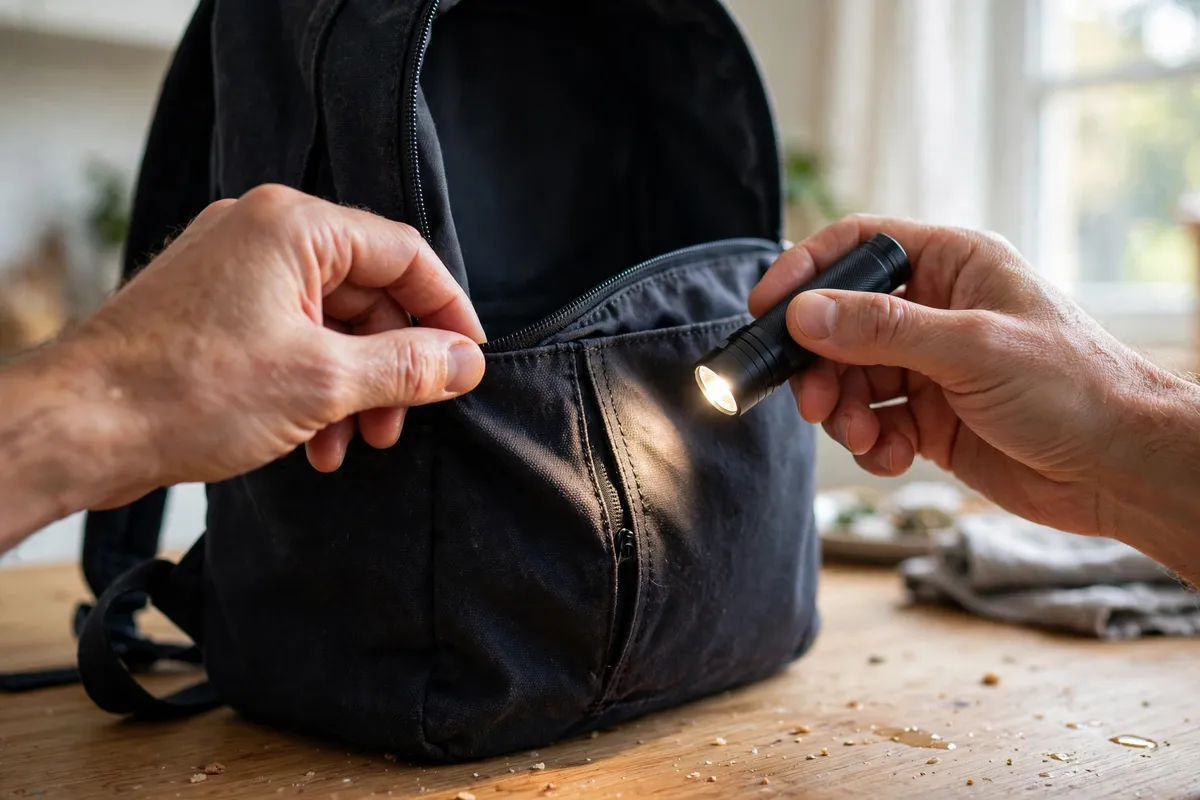
Give every backpack a landing zone outside the bedroom: a hook by the door, a hard floor, or a plastic bin in the garage. When the bag comes home, empty it there, shake it out, and check the seams and pockets with a flashlight. Pull the zipper tape open, look along the stitching, check the bottom corners and the small front pocket, and look for live bugs the size of an apple seed, pale shed skins, and tiny dark spots. Our guide to the signs of bed bugs shows what each one looks like, and it works on a backpack seam just as well as on a mattress.
Wash school clothes and soft items on a hot wash and a hot dryer cycle, which kills bugs at every stage, and keep the backpack itself out of the bedroom overnight. Check the bed too: pull the mattress seams open and look along the piping, the headboard joints, and the bed frame. If you find something, take a clear photo and keep the evidence in a sealed bag. A bed bug inspection can confirm what you found and map how far it has spread before it becomes a bedroom problem.
What to Tell the School, and What Not to Do
Tell the school promptly, with facts, not alarm. Say what you found, where, and when, and share the photo. A good report reads like this: one live bug in the front pocket of a backpack, found after school, photo attached. That gives the school something to act on: a check of the classroom cubbies, the coat hooks, and the reading corner. Keep it private and practical. Bed bugs are not a hygiene problem, and no child or family should be blamed for carrying one in. Ask how the school handles reports, and what check follows.
Do not spray the backpack, do not send bug bombs to school, and do not treat the classroom yourself. Sprays scatter bugs into new hiding spots and make a professional check harder, and broad spraying around children is never the right move. Do not keep a child home out of embarrassment either; talk to the school nurse or office about their policy first. For the building side, commercial bed bug treatment covers schools and shared spaces, and a discreet check of the reported rooms protects every family, not just yours.
Stopping a School Bug From Becoming a Home Problem
A weekly routine stops a school bug from becoming a home problem. Check backpack seams on the weekend, keep bags on their own hooks, vacuum the landing zone, and reduce clutter around beds so a first bug has nowhere to hide unnoticed. Mattress encasements seal the seams where bugs hide and make the next check faster; our post on whether mattress encasements stop bed bugs gives an honest account of what they do and what they cannot do.
If signs show up at home after a school report, act on the first bug, not the fiftieth. Residential bed bug treatment covers the home side, heat treatment handles rooms where bugs have settled in, and a bed bug prevention plan with scheduled checks keeps a one-time find from becoming a house-wide problem. That routine works from North Naples to East Naples and Golden Gate: check the bag, separate the coats, and tell the school on the first sign. The bug you catch at the door is the infestation you never have to explain.
School Questions, Answered
Yes. Bed bugs need hiding spots and a nearby person, not a mattress. Cubby seams, coat hooks, cushion stitching, and bus seats give them both, and children sit still long enough for daytime feeding. A school rarely supports a large infestation, but a small one can persist for months and spread to homes.
Yes. Backpacks that hang against other bags, sit in shared cubbies, or rest on bus seats can pick up a bug or eggs. Check the seams and pockets when the bag comes home, keep it out of the bedroom, and shake it out at a landing zone by the door.
Yes, promptly, with a photo and the details. Early reports lead to a quick check of one classroom. Waiting lets bugs spread to more rooms and more homes. Bed bugs are not a hygiene issue, so report the facts without embarrassment and ask what check follows.
Not directly. They do not live on people, jump, or fly. They spread through belongings that touch: backpacks on shared hooks, coats folded together, and bags in the same cubby. The spread follows the items, so separating bags and coats is what breaks the chain.
Empty it at a landing zone outside the bedroom, then use a flashlight along every seam, zipper, pocket, and bottom corner. Look for live bugs the size of an apple seed, pale shed skins, and tiny dark spots that smear. Check weekly during the school year, and after any school report.
Take a clear photo, keep any evidence in a sealed bag, and check mattress seams and bed frames. Do not spray the room or move infested items to other rooms. Arrange a professional inspection to confirm what you found and map how far it has spread.
Found a Bug on a Backpack? Get Your Home Checked
Found a bug on a backpack, a coat, or a cubby shelf? Get your home checked before it settles into a bedroom. A discreet inspection answers the question fast.
Bed bugs do not care that your child's school has no beds. They care about seams, warmth, and a still sitter, and Naples schools offer all three, from the cubbies in North Naples to the bus seats off Immokalee Road. Check the backpack, separate the coats, and tell the school on the first sign. The bug you report this week is the infestation you never have to explain next month.
Found Signs at Home After School? Get It Checked
Call, email, or stop by: a real specialist answers, not a call center.